
Helping people help pollinators.
Pollinator education and habitat conservation, rooted in community.
Understanding pollinators.
Making room for them.
Education
Get to know bees and other pollinators, the habitats they need, and practical ways to support them.
Test Your Pollinator Knowledge
Habitat
A yard, a school garden, a roadside strip: small spaces can offer food and shelter. It starts with making room.
Start With Your Space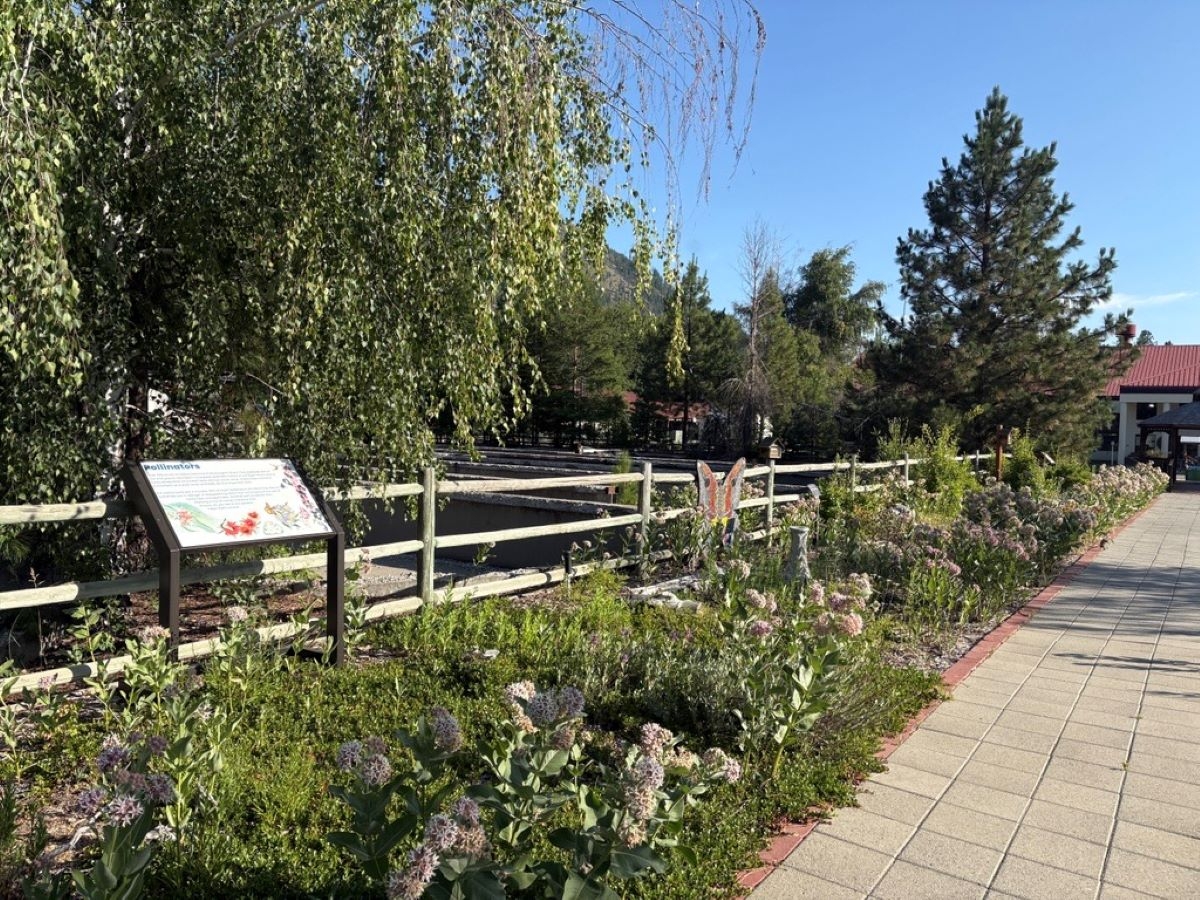
Start with the space you have.
You don’t need acres to make a difference. A few well-chosen native plants can offer pollinators something to eat and give you a closer look at the life around you.
- Choose plants native to your area.
- Include flowers that bloom in different seasons.
- Leave room for shelter and nesting, too.
It began with a question about bees.
Bee Balanced grew from a simple question: what if a colony facing extermination could be relocated instead?
That question led to hands-on bee rescue in Arizona. Today, we’re building on those beginnings with a focus on education and habitat—helping people understand pollinators and make room for them to thrive.
Our StoryWhat we’re working toward
We’re developing educational experiences for schools and community groups, and plans for habitat projects that help connect patches of native wildflowers.
Interested in being part of that work? We’d like to hear from you.
Help the next patch take root.
Support Bee Balanced’s education and habitat mission. Make a donation, share our work, or begin with a pollinator-friendly patch of your own.
Donate